

Hand Vice
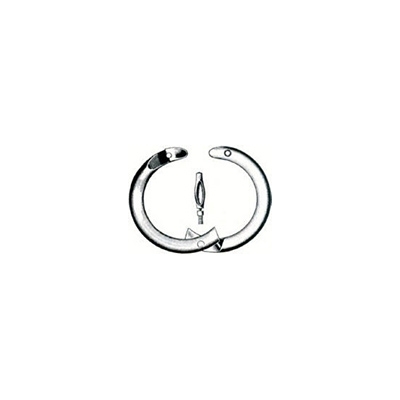
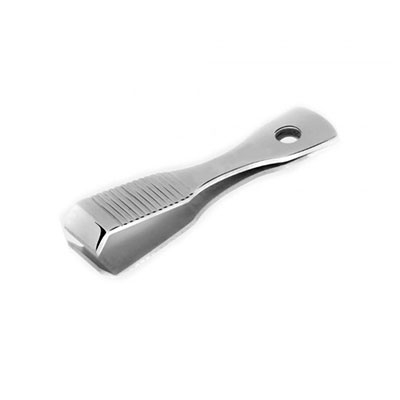
The Hand Vice is a compact, manually operated clamping instrument designed to securely hold small objects, instruments, or materials during precision work in surgical, dental, laboratory, and technical applications. It is widely used in settings where fine control and stability are required, allowing the user to maintain a firm grip on the object while performing detailed procedures such as filing, drilling, cutting, or shaping.
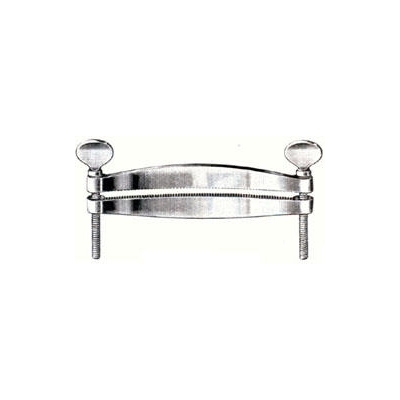
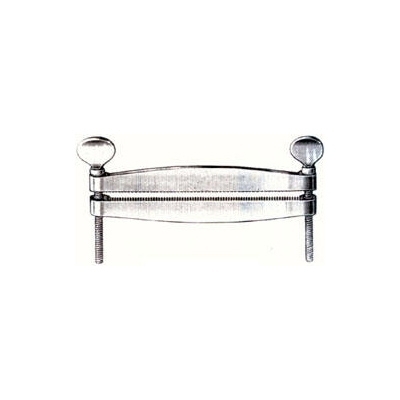
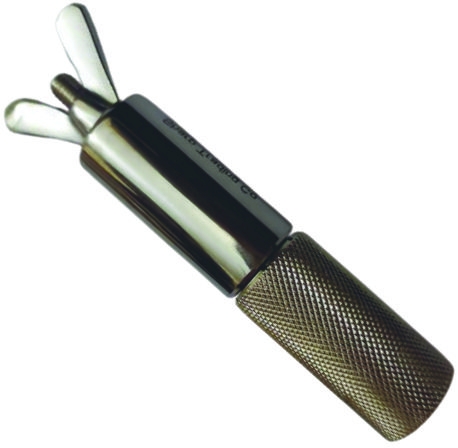
The instrument consists of two jaws operated by a screw or locking mechanism that allows controlled tightening and release. This design ensures that the object being held remains stable and immobile during use, reducing the risk of slippage or movement that could compromise precision. The jaws are typically serrated or textured to enhance grip strength and prevent damage to the held material.
The Hand Vice is commonly used in dental laboratories, surgical instrument maintenance, orthopedic workshops, and general precision engineering tasks. In dental and medical contexts, it is particularly useful for holding small components such as burs, wires, or prosthetic parts during adjustment or fabrication. Its portability and ease of use make it a versatile tool for both clinical and laboratory environments.
Manufactured from high-quality stainless steel or hardened metal alloys, the Hand Vice offers excellent durability, strength, and resistance to corrosion. It is designed to withstand repeated use and sterilization in clinical environments without losing its mechanical integrity or gripping efficiency. The robust screw mechanism ensures smooth operation and consistent clamping force over time.
The ergonomic handle design allows for easy manual operation, providing the user with precise control over the degree of clamping pressure. This is especially important when working with delicate or small items that require careful handling to avoid damage. The compact size of the instrument also makes it highly portable and convenient for field or laboratory use.
Overall, the Hand Vice is an essential tool in precision work environments. Its strong gripping capability, durable construction, and ease of handling make it indispensable for tasks requiring stability and accuracy. By securely holding objects in place, it enhances operational precision, improves workflow efficiency, and supports high-quality outcomes in both medical and technical applications.