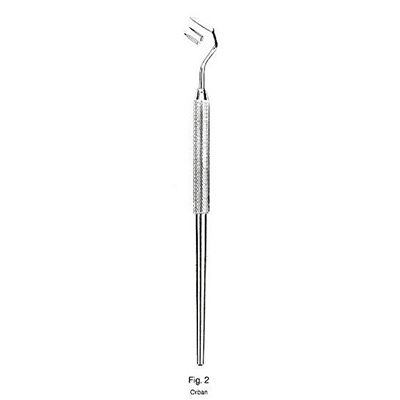

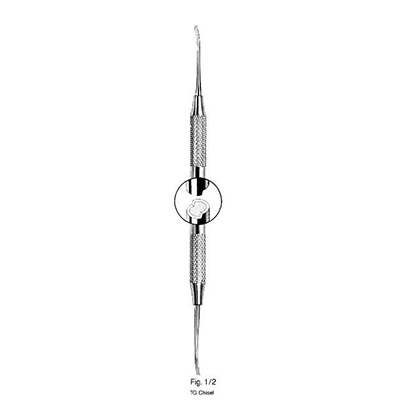
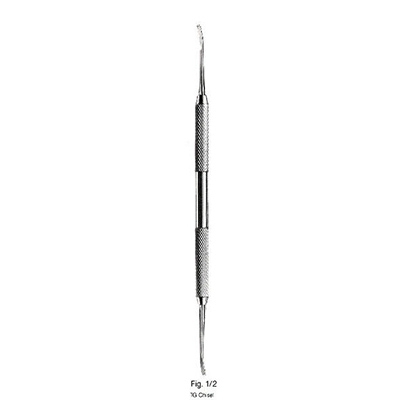
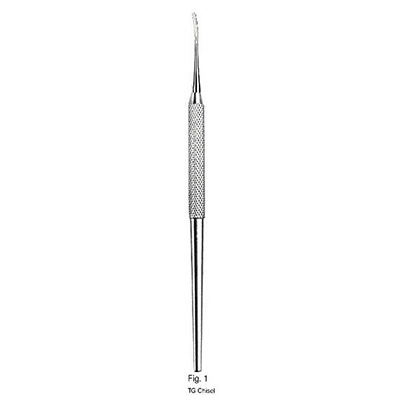
Dental Chisel
A Dental Chisel is a specialized surgical instrument used in oral surgery, periodontics, and implant dentistry to cut, shape, and contour alveolar bone with precision. It is an essential tool for dental professionals performing procedures that require controlled bone removal or reshaping to create optimal conditions for healing, restoration, or implant placement. Dental chisels are designed to deliver accurate cutting performance while minimizing trauma to surrounding tissues.
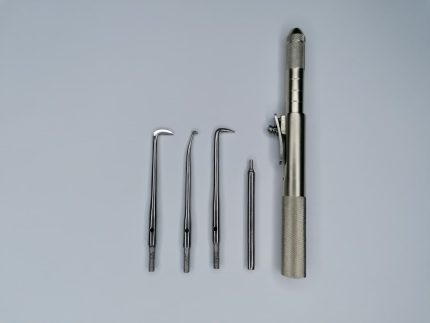
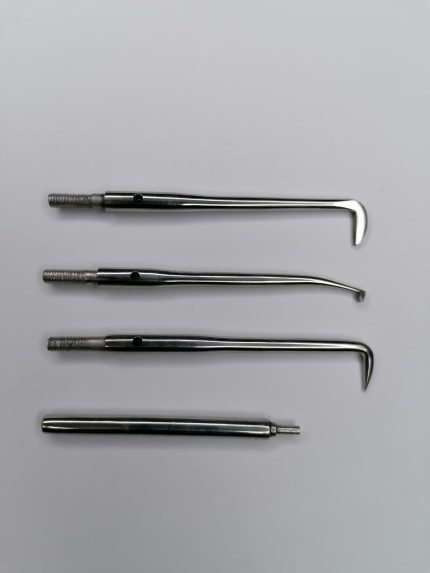
The instrument features a sharp, beveled cutting edge attached to a sturdy handle that provides excellent control and stability during surgical procedures. Depending on the clinical application, dental chisels are available in a variety of blade widths, shapes, and angulations to accommodate different surgical techniques and anatomical areas. They are typically used with a surgical mallet or by applying controlled hand pressure, allowing the clinician to make precise bone cuts and remove small sections of bone with confidence.
Dental chisels are widely used in numerous oral surgical procedures, including alveoloplasty, bone contouring, ridge reshaping, tooth extractions, periodontal surgery, pre-prosthetic surgery, and dental implant site preparation. They are particularly effective for smoothing irregular bony surfaces, removing sharp bone edges after tooth extraction, and reshaping the alveolar ridge to improve the fit of dental prostheses or provide a stable foundation for dental implants. Their precise cutting action helps preserve healthy bone while enhancing surgical efficiency and patient outcomes.
Manufactured from high-quality surgical-grade stainless steel, dental chisels are highly durable, corrosion-resistant, and capable of maintaining a sharp cutting edge through repeated use and sterilization. Their robust construction allows them to withstand the forces encountered during bone-cutting procedures while remaining reliable over time. Most dental chisels are fully autoclavable, ensuring compliance with modern infection control and sterilization standards.
The ergonomic handle design provides a secure and comfortable grip, improving balance, control, and tactile feedback during delicate surgical procedures. This ergonomic construction helps reduce hand fatigue during extended operations and enables clinicians to perform accurate bone contouring with greater confidence.
Overall, the Dental Chisel is an indispensable instrument in modern dental surgery. Its precision, versatility, durability, and ability to facilitate controlled bone removal make it a valuable tool for oral surgeons, periodontists, and implant specialists. By enabling efficient bone shaping while preserving surrounding tissues, the dental chisel contributes to successful surgical outcomes, improved healing, and long-term restorative success.